The global impact of Nigerian artists and their music in the past five years has been phenomenal. It’s a good thing that the world is finally taking notice and paying attention to what we Nigerians and Africans have known for the longest time.
It is now the new normal to see other artists—especially Westerners—seeking out emerging Nigerian talents to collaborate with or sign to their labels.
African music, especially Nigerian artists, are at the forefront, showcasing our capabilities to the world. It is evident that Nigerian artists are dominating the African music scene with the way they consistently sell out arenas and venues worldwide.
The new normal is walking into clubs and enjoying Nigerian/African music without hearing foreign artists or getting bored. You travel around the world, attend events, and hear Nigerian music blasting from speakers. Ride in a car, and you hear Nigerian artists on radio stations—not just one artist, but several artists back-to-back, repeatedly.
It is truly a thing of pride and joy to witness—especially across Europe, not just in the US.
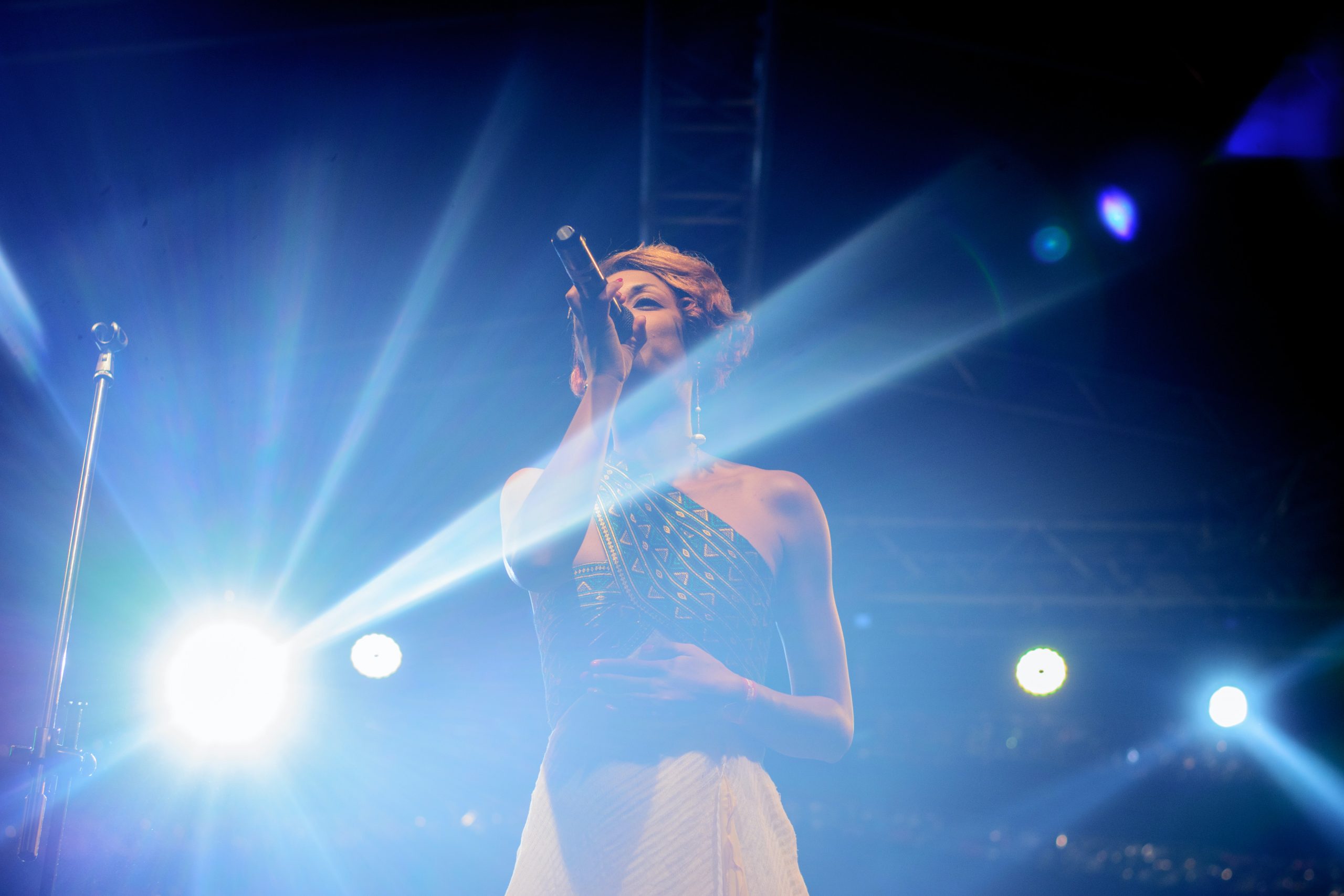
Unfortunately, we can still count the number of female acts of Nigerian and African origin on many of these playlists. However, recently there has been a resurgence of female acts in Nigeria—it seems to be the season of female artists.
In the past year, we have seen several breakout female acts stepping into the spotlight alongside their male counterparts. And truth be told, it is refreshing to see female artists gaining more representation at the top.
It is a fact that female artists in the music industry are often marginalized. It is significantly more difficult for a female artist to get noticed and maintain her position compared to her male colleagues.
That is why every time a female artist breaks through that glass ceiling, it is celebrated more intensely than when it is a male act.
Don’t get me wrong—male acts break out daily and are celebrated too—but it has become almost routine. When it is a female artist, however, it carries a deeper significance.
We have a wealth of talented female acts, but many people shy away from working with them. Some claim it is easier to manage a male artist than a female act.
They argue that women are temperamental and sometimes allow emotions to influence professional decisions. So rather than deal with what they perceive as “drama,” they choose to avoid it altogether—distancing themselves from female artists.
Even some female managers often prefer working with male artists over female acts.
In many cases, female acts face more challenges from their female counterparts than from male colleagues.
Envy, jealousy, unnecessary competition, and bad blood often hinder collaboration. One would assume that being of the same gender would encourage unity and support—but unfortunately, the opposite is often true.
Too often, women do not stand in the gap for one another.
It is not easy being an upcoming artist—let alone a female one.
If some female colleagues are not making derogatory statements, speaking negatively behind your back, or making comments filled with sexual innuendos, then others—both male and female—may go as far as demanding sexual favors before offering help or opportunities.
Women who should support each other sometimes become the very ones who create barriers. They expect you to conform to their standards before offering support.
At times, you can’t help but wonder why women struggle to support each other in real life—why they are often the first to tear each other down instead of uplifting one another.
To all the female artists out there—this is for you:
A lot of people will disappoint you—that’s part of the journey. Life isn’t always fair, and as we say, “wahala no dey finish.”
But don’t give up. Don’t lose hope. Keep pushing. Keep believing in yourself.
Most importantly, make sure you are doing what truly makes you happy. Because if you are not happy doing it, then you may be in the wrong path or pursuing the wrong career.